The Smile, Anatomy, and the Hydraulic Screw微笑、解剖与提水装置
CLASSROOM ANCHOR / 课堂锚点Introduction - A Scene of Synthesis; Core Concepts and Legacy导论——综合场景;核心概念与历史遗产
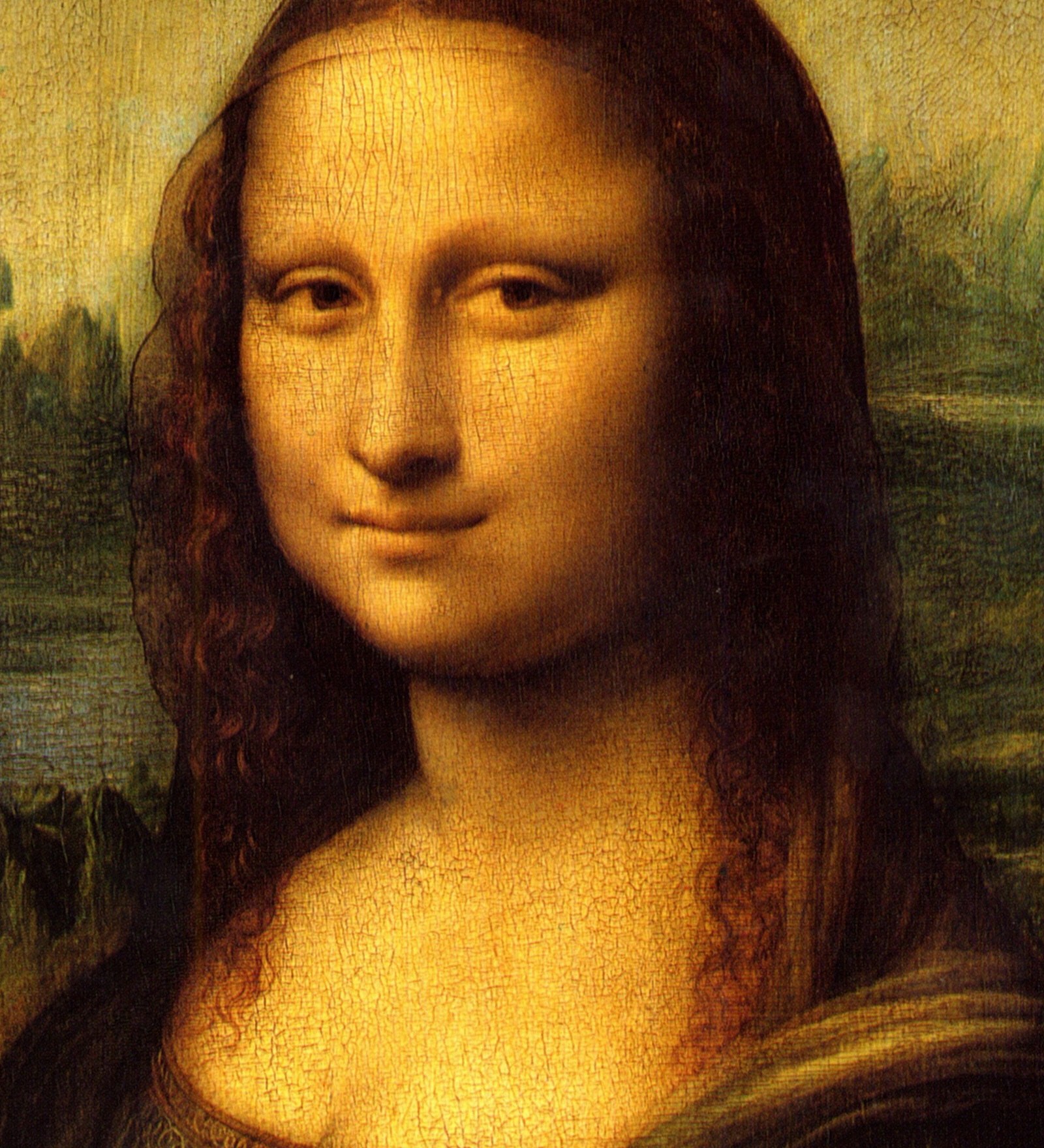
Place three works made in different years side by side. Leonardo draws the muscles beneath the skin, works out how to lift water, and softens a smile through layers of paint. We now sort these activities into science, engineering, and art. Leonardo moved among them because each required him to look closely, test a solution, and revise what his hand had made.把三件完成于不同年份的作品放在一起。列奥纳多画出皮肤下的肌肉,琢磨怎样把水提起来,又用一层层颜料把微笑的边缘慢慢晕开。今天我们会把这些工作分进科学、工程和艺术;在他手里,它们都离不开细看、试验和反复修改。
OBSERVE FIRST / 请先观察
Trace the Shared Method追踪三件作品中的共同方法
- 01
Move from the anatomical page to the machine and then to the painted face.依次看解剖页、机械图和人物面部。
- 02
Find one practice that recurs: measurement, close observation, revision, or attention to motion.找出一种反复出现的做法:测量、细看、修改,或追踪运动。
- 03
Then mark the limit of the evidence. These works cannot tell us how common Leonardo's freedom was, who could afford similar training, or who paid for it.接着写下这些材料无法回答的问题。这些作品再精彩,也不能说明像列奥纳多这样跨领域工作的自由有多普遍、谁负担得起相应训练,又是谁提供赞助。
MR. ZHAN'S GUIDE / 詹老师有话说
Observation Became a Method for Discovery反复观察,也是一种求知方法
Begin by watching Leonardo work slowly. Anatomical sheets, machine sketches, and painted faces call for the same patience: look again, revise, and test what the first glance missed. Later rooms carry that habit into old texts, institutional claims, and print.先跟着列奥纳多慢慢看。解剖图、机械草图和人物面孔看似各不相同,他却用同样的耐心反复观察、修改。走到后面的展厅,我们再看这种认真追问怎样进入旧文献、制度权威和印刷传播。
CORE QUESTION / 核心问题
What new image of human capacity emerges when one person can investigate bodies, machines, and beauty?当一个人能够同时研究身体、机械与美,人们会开始怎样想象人的能力?
HISTORICAL INTERPRETATION / 历史解释Open after completing your observation完成观察后再展开
Courts and wealthy cities gave Leonardo access to time, materials, and skilled workshops. Classical texts reopened questions of proportion and mechanics; drawing let him move between manual craft and learned inquiry. That combination made the cultivated all-rounder imaginable and made Leonardo famous. It was also rare. Education, patronage, and professional connections remained concentrated among elite men.宫廷和富裕城市为列奥纳多提供了时间、材料,也让他能够进入技艺精湛的工坊。古典文本重新引发人们对比例和机械原理的思考,绘图则把手工技艺与学术探究连接起来。这些条件让“通才”成为一种可以想象的理想,也成就了列奥纳多的名声。但教育、赞助与职业人脉仍主要掌握在精英男性手中,这种跨领域发展的机会并不常见。
HISTORICAL STORY / 历史小故事
The Hand That Painted a Smile Also Drew Machines画出微笑的手,也画过机械
The hand that softened the Mona Lisa's smile also recorded tendons, muscles, and machines for moving water. Leonardo returned to the same problem repeatedly, corrected early sketches, and carried solutions from one field into another. Patrons and viewers made that way of working part of his reputation.画出《蒙娜丽莎》微笑的那只手,也记录过肌腱、肌肉和输水机械。列奥纳多总会回到同一个问题,修改早先的草图,再把一个领域的办法带到另一个领域。赞助人和观看者记住的,正是这种反复观察、不断修改的工作方式。
OBJECT FILES / 展品档案
Explore the evidence继续探索这些实物与史料
A three-part visual cluster is needed: one Leonardo anatomical notebook page, one engineering or hydraulic design, and a close detail from the Mona Lisa. The three items should be visible at once; no material has yet been sourced or assigned an ID.需要一组三联视觉材料:列奥纳多的一页人体解剖笔记、一项工程或水力设计,以及《蒙娜丽莎》的局部。三者应当同时可见;当前只提出展品需求,尚未搜集素材或编定编号。
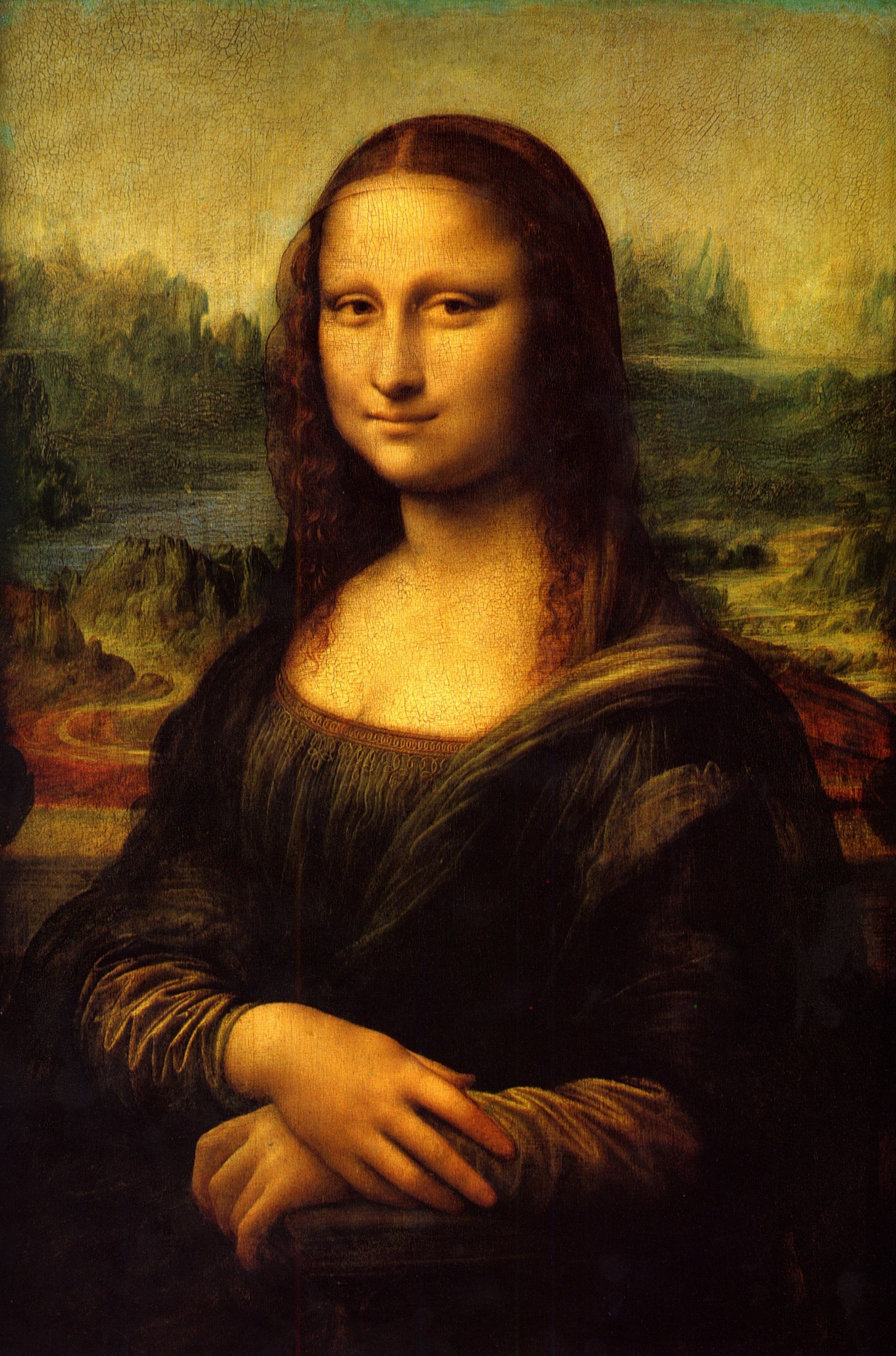
Mona Lisa (full view)列奥纳多《蒙娜丽莎》全图
- DATE / 年代
- 1503–15191503–1519 年
- PLACE / 地点
- Begun in Florence; retained and reworked by Leonardo始作于佛罗伦萨,后由列奥纳多持续修改
- INSTITUTION / 馆藏
- Musée du Louvre卢浮宫
Object evidence note展品证据说明
卢浮宫将作品断代为 1503–1519 年,不能把它说成 1504 年某一天已经定稿。面部细节只能支持对绘画技法的观察,不能替代全画,也不能凭这一处细节概括整个文艺复兴的个人主义。
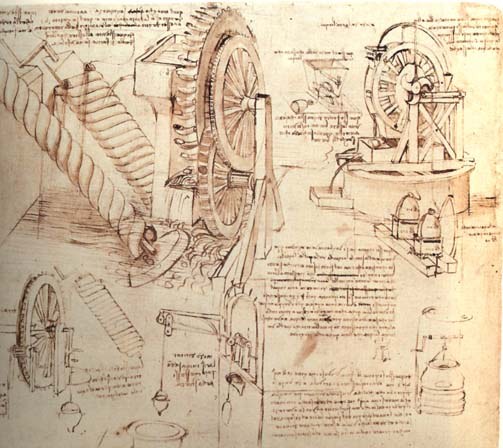
Drawings of Water-Lifting Devices / Perpetual Motion Pump列奥纳多《提水装置研究/永动泵方案》
- DATE / 年代
- c. 1480–1482约 1480–1482 年
- PLACE / 地点
- Italy意大利
- INSTITUTION / 馆藏
- Veneranda Biblioteca Ambrosiana米兰安布罗修图书馆
Object evidence note展品证据说明
伽利略博物馆将整页识别为提水装置研究;“永动泵”只是其中一项方案,不能暗示装置已经建成或真能实现永动。当前公开图像的分辨率有限,页面可读性仍需另行确认。
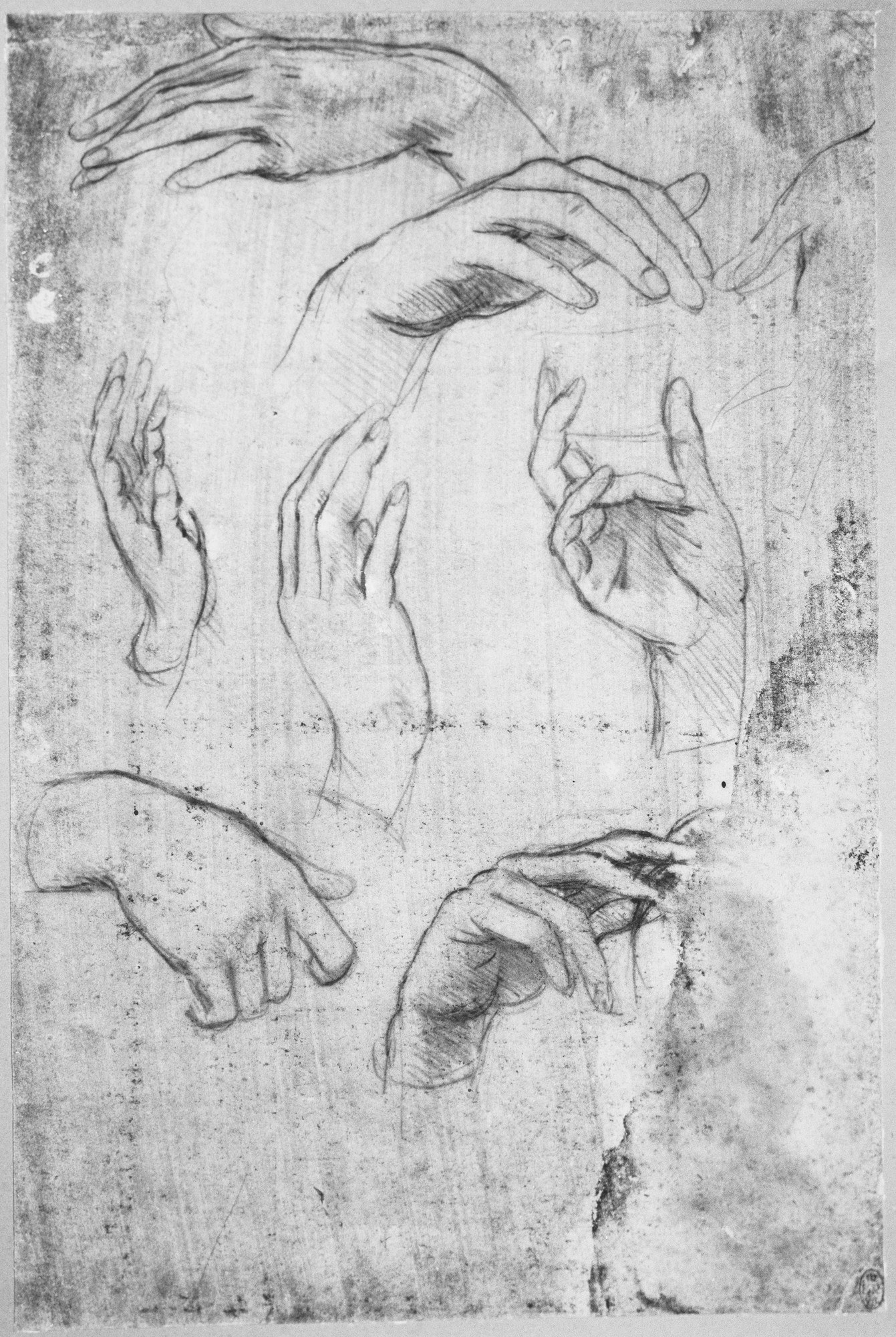
Studies of Hands列奥纳多《手部习作》
- DATE / 年代
- c. 1480约 1480 年
- PLACE / 地点
- Italy意大利
- INSTITUTION / 馆藏
- Royal Collection Trust英国皇家收藏
Object evidence note展品证据说明
这是一页适合课堂展示的手部观察图,不能作为尸体解剖的直接证据;因此,S00 对解剖材料的需求只得到部分满足。
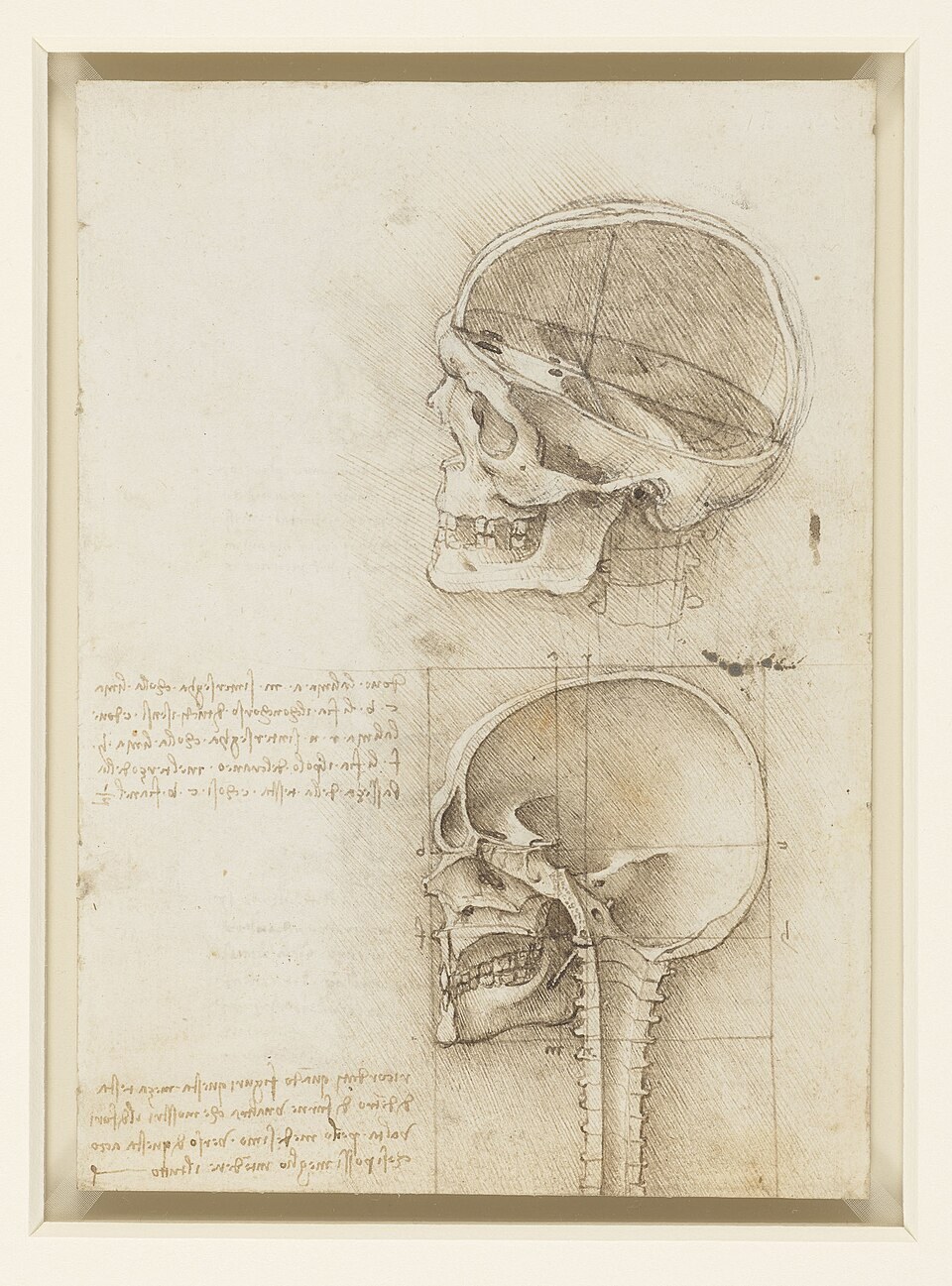
The Skull Sectioned列奥纳多《剖开的颅骨》
- DATE / 年代
- 14891489 年
- PLACE / 地点
- Milan / Italy米兰/意大利
- INSTITUTION / 馆藏
- Royal Collection Trust英国皇家收藏
CONTENT NOTE / 内容提示含非血腥颅骨剖面素描;展示前做简短内容提示,不用作站点首图。
Object evidence note展品证据说明
画面不血腥,但涉及颅骨剖面,展示前仍应作简短提示。它可以证明列奥纳多进行过切面观察和测量,却不能单独概括他的全部人体解剖实践。
YOUR EVIDENCE / 你的证据
Record your judgment in the passport在护照上留下判断
AP SKILLS / AP 技能Contextualization; visual synthesis; building a central claim情境化;视觉综合;建立中心论点
 微信号: zhanhistory